Why Homeowners Love Marble: Beauty, Varieties, and Design Appeal
Timeless Aesthetic and Luxury Appeal
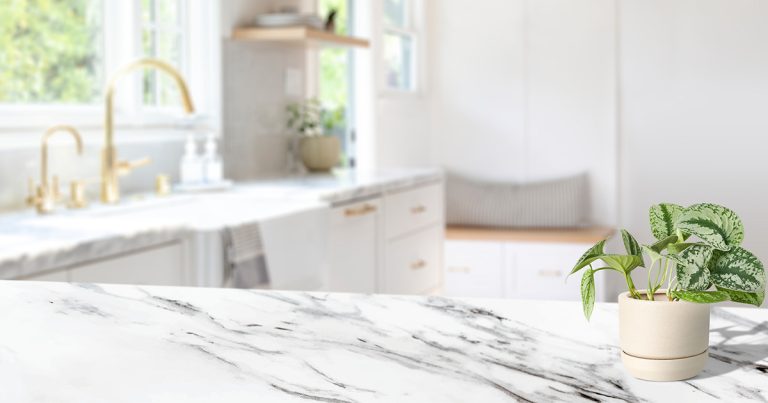
Marble’s appeal comes from how it looks in person. The surface has a depth and softness that photographs well but looks even better in real life, especially in natural light. Its veining runs through the stone in patterns that vary from subtle and fine to dramatic and bold, making every slab a one-of-a-kind piece. No two slabs are identical, which matters to homeowners who want a surface with genuine character rather than a consistent, repeatable pattern.
Polished surfaces reflect light and brighten a room. A honed marble finish, by contrast, has a matte surface that feels warmer and more understated, and it tends to hide minor surface scratches better than a polished finish. The choice between the two often comes down to how much traffic the surface will see and whether the owner prefers a glossy or matte look.

Popular Marble Varieties and Their Looks
Carrara marble is the most widely recognized white marble, with a soft gray-white background and delicate, feathery veining. It is also the most affordable of the premium white marbles, which makes it a practical entry point for homeowners who want natural stone without paying top-tier prices.
Calacatta marble has a brighter white background and bolder, more dramatic veining. It is rarer than Carrara and priced accordingly. Statuario sits at the premium end, with a near-brilliant white field and strong, sculptural veining that designers often specify for statement pieces. Beyond the white varieties, green, black, pink, and gold-toned marbles work well as accent surfaces and feature walls.
Marble Type | Typical Look | Common Applications | Price Range (per sq. ft.) |
Carrara marble | Soft white to bluish-gray; fine, delicate veins | Countertops, backsplashes, flooring | $40–$100 |
Calacatta marble | Bright white; thick, bold veins | Islands, waterfall edges, feature walls | $100–$250 |
Statuario marble | Brilliant white; strong dark veining | Luxury countertops, statement islands | $150–$300 |
Colored marbles | Black, green, pink, gold tones | Accent pieces, vanity tops, feature walls | Varies widely |
How Marble Works Across Different Spaces
Marble is not limited to the kitchen. In bathrooms, it is one of the most popular choices for vanity countertops, shower walls, and flooring. It keeps the room cool and bright, and its surface works well in wet environments as long as it is properly sealed. A marble vanity top in a master bathroom adds visual weight and a sense of permanence that porcelain and engineered surfaces rarely match.
In living rooms, marble appears on fireplace surrounds, coffee tables, bar tops, and built-in shelving. These applications see lower traffic than kitchen counters, which means the maintenance demands are reduced considerably. For homeowners who love the material but want less day-to-day upkeep, using marble in a living room or bathroom rather than as a primary kitchen countertop is a smart approach.
In kitchens, marble kitchen countertops are most popular on islands and baking surfaces, where their natural coolness is an advantage for pastry work. Full perimeter installation is possible but requires a real commitment to ongoing maintenance.
Marble Countertops Pros and Cons
Understanding marble countertops pros and cons is essential before making any purchase decision. Marble has real advantages that no other material fully replicates, and real disadvantages worth taking seriously.
Pros: Natural Beauty, Heat Resistance, and Resale Appeal
The most obvious advantage is how marble looks. Its veining and soft sheen create a high-end feel that buyers and designers consistently associate with quality. In upscale markets, marble countertops add resale appeal and can increase a home’s perceived value, especially when paired with quality cabinetry and fixtures.
Marble stays cool naturally, which is useful for baking and pastry work. It handles moderate heat better than laminate surfaces and many engineered options, though it is not immune to heat damage from very hot pans placed directly on the surface.
As a natural stone, marble is also a durable material when properly maintained. It has been used in buildings that have lasted centuries, which speaks to its long-term performance when treated with care.
Cons: Porosity, Staining, and Maintenance Requirements
Marble’s biggest drawback is porosity. It absorbs liquids, and acidic substances like lemon juice, red wine, tomato sauce, and coffee can etch or stain the surface if they are not wiped up quickly. Etching looks like a dull spot or ring on the surface and is distinct from a stain; it is a chemical reaction that changes the surface texture of the stone itself.
To protect against staining, marble needs to be sealed regularly. Most countertops require resealing every six to twelve months, though more porous slabs may need it more often. Sealing reduces the risk of staining but does not eliminate it entirely.
Marble sits between 3 and 5 on the Mohs hardness scale, making it softer than granite (6 to 7) and quartz (around 7). Knives, abrasive cleaners, and hard objects can all leave marks over time, which is a real limitation in high-traffic kitchens.

Real-World Tradeoffs to Consider
Many designers recommend using marble selectively rather than covering every surface with it. An island top or a bathroom vanity delivers the look without committing to full kitchen perimeter coverage. This lets you enjoy the beauty of marble where it matters most while using a lower-maintenance material elsewhere.
For buyers weighing long-term costs, quartz may have similar upfront material costs but significantly lower maintenance expenses over a decade of ownership. Marble’s repair and restoration costs, including honing, repolishing, and professional stain removal, can add up considerably over time.
Factor | Marble | Quartz | Granite |
Hardness (Mohs) | 3–5 | ~7 | 6–7 |
Porosity and sealing | Porous; reseal every 6–12 months | Nonporous; no sealing needed | Less porous; occasional sealing |
Heat resistance | Good; stays cool naturally | Moderate; can scorch with hot pans | High; resists heat well |
Scratch resistance | Lower; scratches more easily | High | Moderate to high |
Maintenance level | High | Low | Moderate |
Resale impact | Positive in luxury markets | Neutral to positive | Positive |
Costs and Long-Term Value of Marble Countertops

Upfront Material and Installation Costs
Marble slab prices depend on variety, thickness, rarity, and veining pattern. Carrara costs between $40 and $100 per square foot, Calacatta runs from $100 to $250, and Statuario can reach $150 to $300 or more. On top of material costs, fabrication and marble countertop installation typically add $40 to $100 per square foot, covering templating, sink cutouts, and edge work.
A mid-range kitchen installation using Carrara might total $3,000 to $6,000. A full kitchen in Calacatta can easily exceed $15,000. Bathroom vanity tops are smaller in scale and offer a more accessible entry point for homeowners who want to introduce marble without committing to a large budget.
Maintenance and Repair Expenses Over Time
Annual sealing costs are modest, typically $50 to $200 depending on the product you use and whether you hire a professional. But stain removal, etching repair, and honing can cost $300 to $2,000 or more depending on the extent of the damage. Over ten years of regular kitchen use, these expenses add up in a way that quartz and granite do not.
Marble’s Impact on Resale and ROI
In high-end neighborhoods, marble countertops can strengthen a home’s appeal and support a higher asking price. In mid-market homes, quartz may deliver better ROI because buyers at that price point tend to expect low-maintenance materials. Before selecting marble specifically for resale purposes, check what comparable homes in your area use.
Category | Typical Range | Notes |
Material price per sq. ft. | $40–$300 | Carrara $40–$100; Calacatta $100–$250; Statuario $150–$300 |
Installation and fabrication | $40–$100+ per sq. ft. | Includes templating, cutouts, edge work |
Annual maintenance | $50–$500+ | Sealing, spot repairs, professional cleaning |
Major restoration | $300–$2,000+ | Honing, repolishing, stain removal by professionals |
Resale impact | Market-dependent | Positive in luxury markets; mixed versus quartz in mid-market |
Marble Versus Alternatives: Granite, Quartz, and Engineered Surfaces
When comparing marble vs granite countertops, the main differences come down to hardness, porosity, and maintenance. Granite is harder and more resistant to scratches, handles heat better, and requires less frequent sealing. Marble offers a softer, more refined aesthetic that granite generally cannot match, but you pay for that with higher care requirements.
Quartz is the most low-maintenance option of the three. Because it is engineered with resin binders, it is nonporous and does not need sealing. It is also more consistent in appearance, which some buyers prefer and others find too uniform. Marble-look quartz products have improved significantly and now offer convincing patterns that mimic Calacatta and Statuario at a fraction of the maintenance commitment.
For buyers who want the look of marble without the upkeep, marble-look quartz or large-format porcelain slabs are worth a serious look. For buyers who want the real thing and are prepared to care for it properly, genuine marble remains the more compelling choice for anyone who values natural stone countertops.
Living with Marble: Care, Protection, and Practical Tips

Sealing, Cleaning, and Stain Response
Seal marble before first use, and plan to reseal every six to twelve months. A simple way to test whether it needs resealing is to drop a small amount of water on the surface. If it beads up, the seal is still active. If it absorbs, it is time to reseal.
For daily cleaning, use a soft cloth and a pH-neutral cleaner. Avoid anything acidic, including vinegar and lemon-based sprays, and skip abrasive pads entirely. Wipe up spills immediately, particularly wine, coffee, citrus juice, and oil-based liquids.
If a stain sets, a poultice made from baking soda and water can draw it out for oil-based stains. For organic stains, a diluted hydrogen peroxide solution often works, but always test on a hidden area first. Knowing how to clean marble correctly from the start prevents most of the common damage people associate with the material.
Preventing Scratches, Chips, and Heat Damage
Use cutting boards on marble, always. The material is soft enough that a standard kitchen knife will leave marks over time. Avoid dragging heavy pots or appliances across the surface, and use trivets and hot pads rather than placing pans directly on marble, even though it handles moderate heat reasonably well.
For polished marble, small scratches can be buffed out with a marble-specific polishing powder. Deeper chips or widespread etching require professional honing and repolishing, so budget for that possibility if you are installing marble in a high-traffic kitchen.
Is Marble Right for Your Kitchen or Bathroom Remodel?
Marble is the right choice for people who genuinely value natural stone, are willing to maintain it, and understand that some wear over time is inevitable. If you love the look and are prepared to seal it regularly, clean carefully, and accept that high-traffic areas will show some signs of use, marble can last for decades and age more beautifully than many alternatives.
If you want something that requires minimal attention, granite or quartz is the more practical choice. Granite gives you natural stone without the same porosity concerns. Quartz gives you the lowest maintenance of all three with the widest range of colors and patterns.
For a kitchen renovation or bathroom remodel, a strong approach is to use marble where it will have the most visual impact and pair it with lower-maintenance materials in areas that take more daily wear. A Calacatta island, a Carrara shower wall, or a dark marble fireplace surround can deliver the look you want without requiring you to maintain every inch of your home to the same high standard.
When you are ready to choose marble slabs in person, visit a stone yard with full-size slab displays rather than relying on small samples. The veining and color can look very different at full scale. Bring your cabinet and flooring samples, and view the slabs in natural daylight if possible.
Natural stone countertops are a long-term investment, and marble is one of the most rewarding of them when it fits your lifestyle. If it does not, choosing granite or quartz is a perfectly reasonable decision. The best surface is the one you will actually enjoy living with.